HEAR: Heidelberg Acoustic Research
HEAR creates an objective, data-based foundation to bring vibrant nightlife, tourism and business into harmony with residents' need for quiet.
A reliable noise profile for Heidelberg's old town
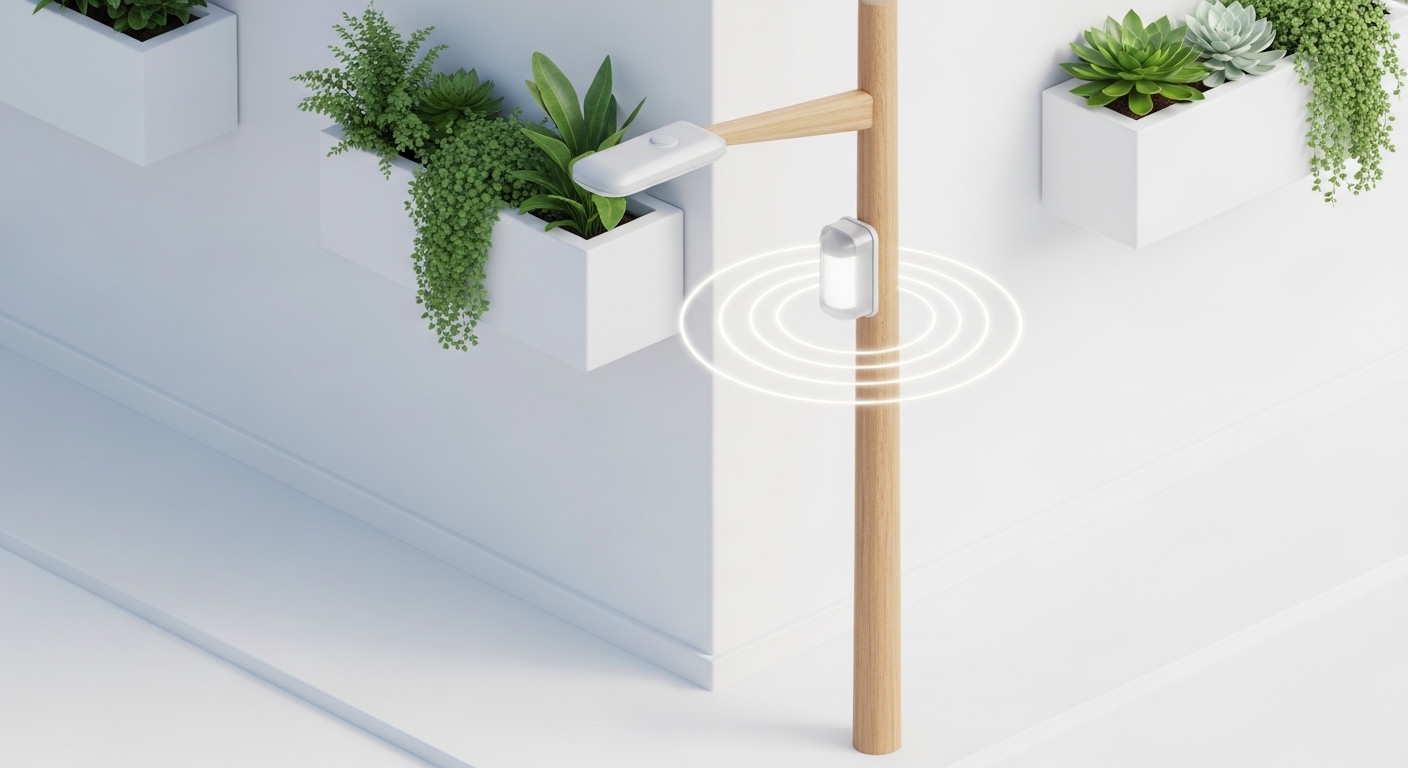
In the tension between night-time visitor traffic and residents' need for quiet, HEAR captures the noise exposure objectively. Smart noise sensor technology provides the basis of data, compliant with data protection law and without any audio recording.
Quick facts
A conflict of goals that cannot simply be talked away
Vibrant city centres thrive on their nightlife: on gastronomy, tourism and an economy that carries the evening and night hours. Yet this very liveliness generates noise that touches residents' need for quiet. Between the night economy and noise protection, a real conflict of goals arises.
So far this conflict has been settled largely on subjective grounds. Complaints, impressions and interests stand opposed to one another, without a shared, reliable basis of facts. Decisions thus risk depending on the volume of the debate rather than on evidence.
- Subjective debates
Conflicts rest on impressions, not on comparable measurements.
- Missing basis of data
Without objective data, measures can neither be justified nor reviewed.
- Reactive regulation
Rules often react late and across the board, instead of acting in a targeted, evidence-based way.
Objectify instead of polarise
Objective basis of data
HEAR replaces subjective impressions with an objective, data-based foundation for decisions.
Smart sensor technology
Smart noise sensor technology measures continuously on site and makes the noise situation visible, differentiated by time and place.
Privacy by design
Data protection is a prerequisite, not an add-on: no conversations are transmitted and no audio recordings are stored.
Data makes cities manageable without surveilling people. Sensor technology creates an objective basis for decisions for livable city centres.
From measurement point to noise profile
The sensor technology continuously measures personal and ambient noise at strategic locations in the old town. Data collection is fully compliant with data protection law: no conversations, no audio recordings, no audio storage. Only sound levels are captured, not the content of sounds.
On this basis, two automated alerting systems are implemented that engage different actors in a targeted way. The continuous measurements produce a reliable noise profile that makes exposure traceable across the course of the day.
Two automated alerting systems
- System 1: Self-regulation by gastronomy
A direct notification enables businesses to react early and on their own initiative, before exposure becomes critical.
- System 2: Dashboard for the KOD
A digital dashboard informs the municipal public-order service (KOD) in a targeted way and enables a needs-based, data-supported approach.
The measurement principle
Pilot operation- Measures sound levels only, no voice recording or audio.
- Privacy by design, 100 % GDPR-compliant.
Result: the noise profile
A reliable, continuously updated picture of the noise situation as an evidence-based foundation for municipal decisions.
What changes through a shared basis of facts
- Objectifying the conflict
Objective sound levels replace subjective attributions and create a shared basis for dialogue.
- Early self-regulation
Gastronomy can react on its own initiative before exposure escalates.
- Targeted information for the KOD
This lets the municipal public-order service work more effectively and act proactively.
- Evidence-based decisions
Measures can be justified, calibrated and reviewed over time.
What is measured, and what deliberately is not
What is captured
- Sound levels
Continuous measurement of personal and ambient noise as sound levels.
- Course over time
Differentiation of exposure across the course of day and night.
What is deliberately not captured
- No conversations
The content of sounds or conversations is not transmitted.
- No audio recordings
No audio streams are recorded or stored.
Scientific support
HEAR is scientifically supported; methodology and analysis follow scientific standards.
From pilot to transferable solution
The measurement principle of HEAR is not limited to a single location. Objective noise sensor technology that meets privacy by design can in principle be transferred to further areas of the old town and to other municipalities with comparable conflicts of goals.
Vibrant city centres need balance. Data-based solutions bring nightlife, business and residents into balance: quiet enough for residents, lively enough for everyone.
Noise management based on facts
Innovation Tank develops smart noise monitoring for municipalities: objective real-time data, privacy by design and scientifically supported. A conversation shows how the approach can be transferred to other cities.